Veil of Liberation
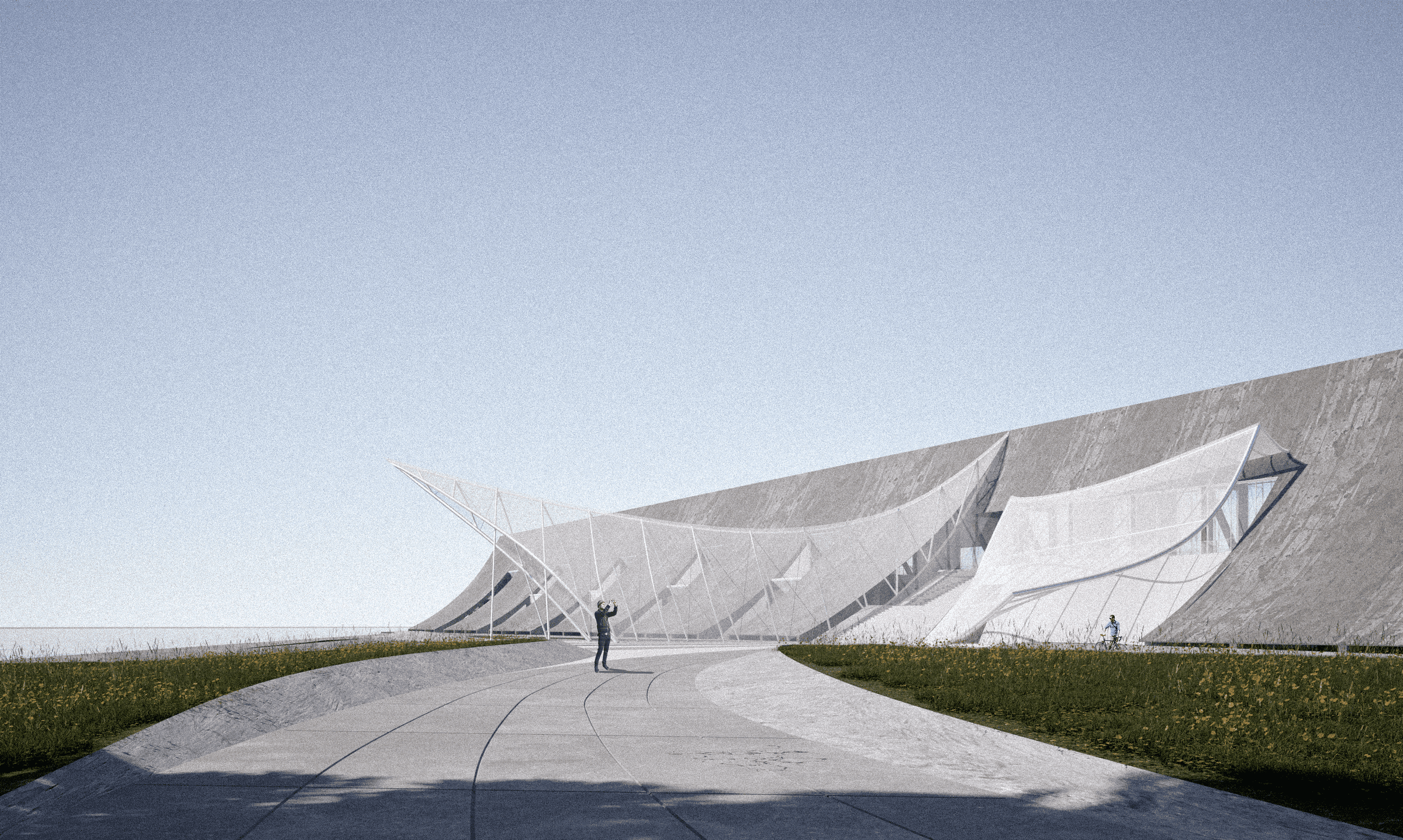
Paveway to the Liberation Museum
Le Havre's prosperity was built on the transatlantic slave trade, yet its cityscape remains silent about this past. Our project confronts that silence by transforming the massive windbreak wall—a symbol of oppression—into the foundation for renewal.
A translucent membrane pierces the concrete, embodying both fragility and liberation. The reconfigured wall culminates in a human rights museum, turning a monument of injustice into one of memory, hope, and dignity.
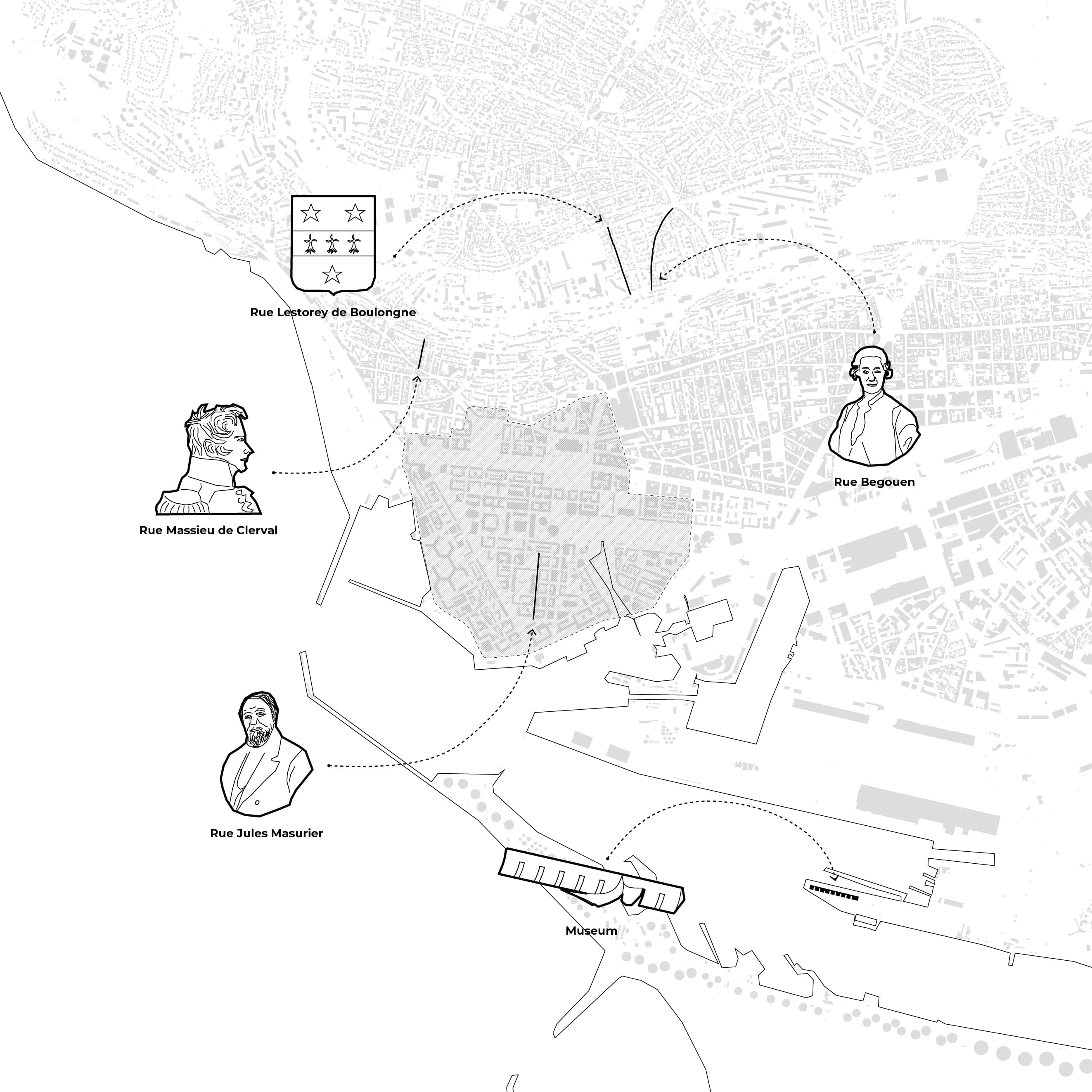
Le Havre's Triangular Trade and Legacy of Slavery
Le Havre played a key role in France's transatlantic slave trade, and its streets still bear the names of those who profited from it. Figures like Jules Masurier, Jacques-François Begouën, and Jean-Baptiste Eyries were deeply tied to slavery, yet their legacies remain publicly honored.
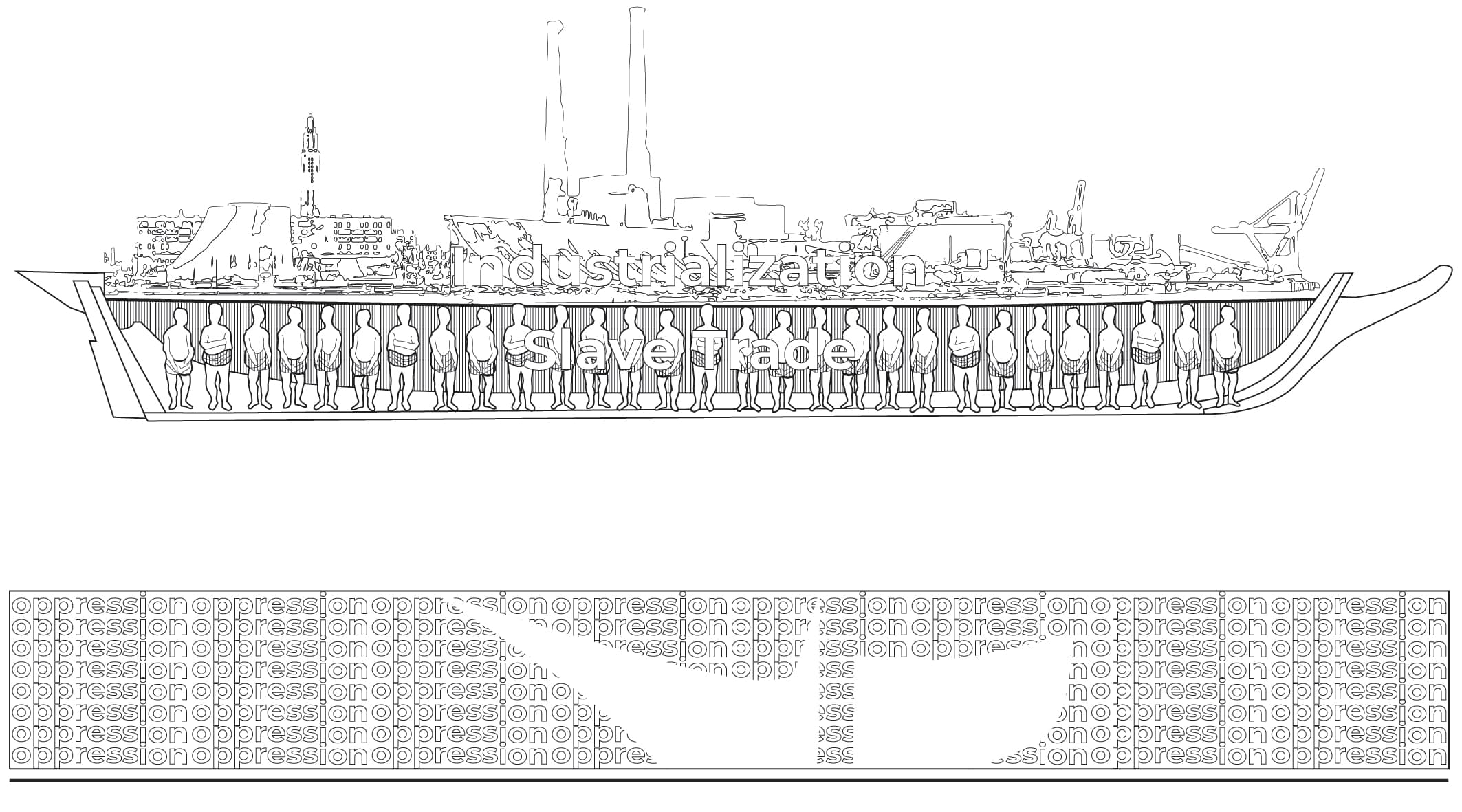
Confronting Hisroty: A Moment of Reconciliation
Across the world, communities have transformed oppressive monuments into symbols of liberation. Inspired by these acts, our approach reimagines Le Havre's windbreak wall—once a reminder of the slave trade's legacy—as a site of reconciliation.
By breaking and reshaping this heavy concrete structure, we symbolically dismantle the weight of oppression it represents, turning it into an emblem of hope, transformation, and collective memory.
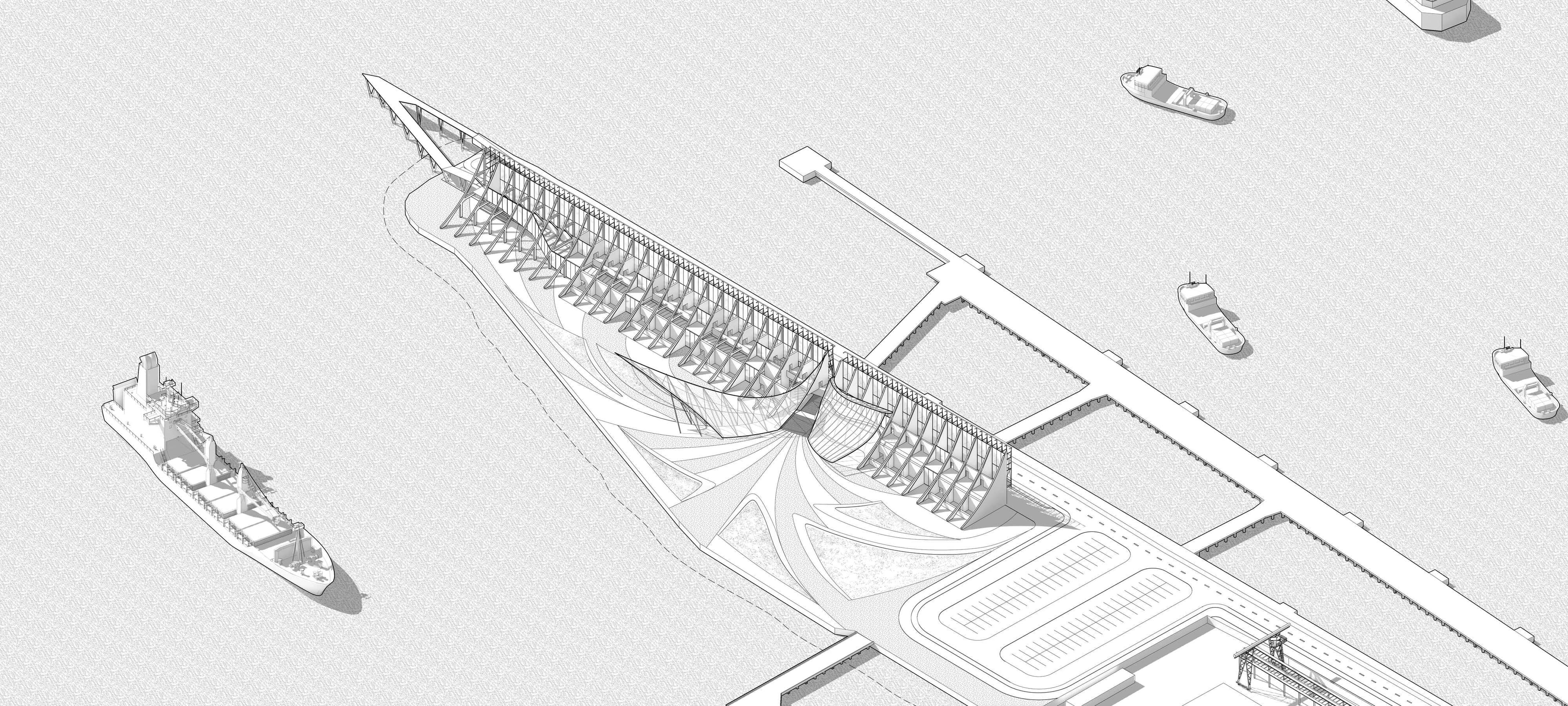
Connection to the Harbor and Ocean
The intervention draws the ocean's horizon into the site, allowing the movement of wind and water to interact with the new translucent structure that pierces the old concrete wall.
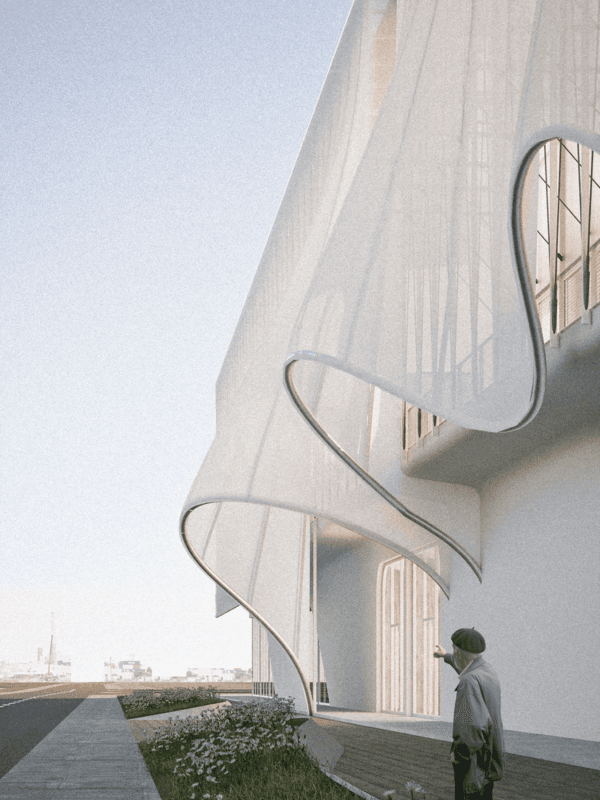
The Veil
The membrane ripples with sea breezes, evoking the fragility of life once bound to the tides of commerce and suffering.
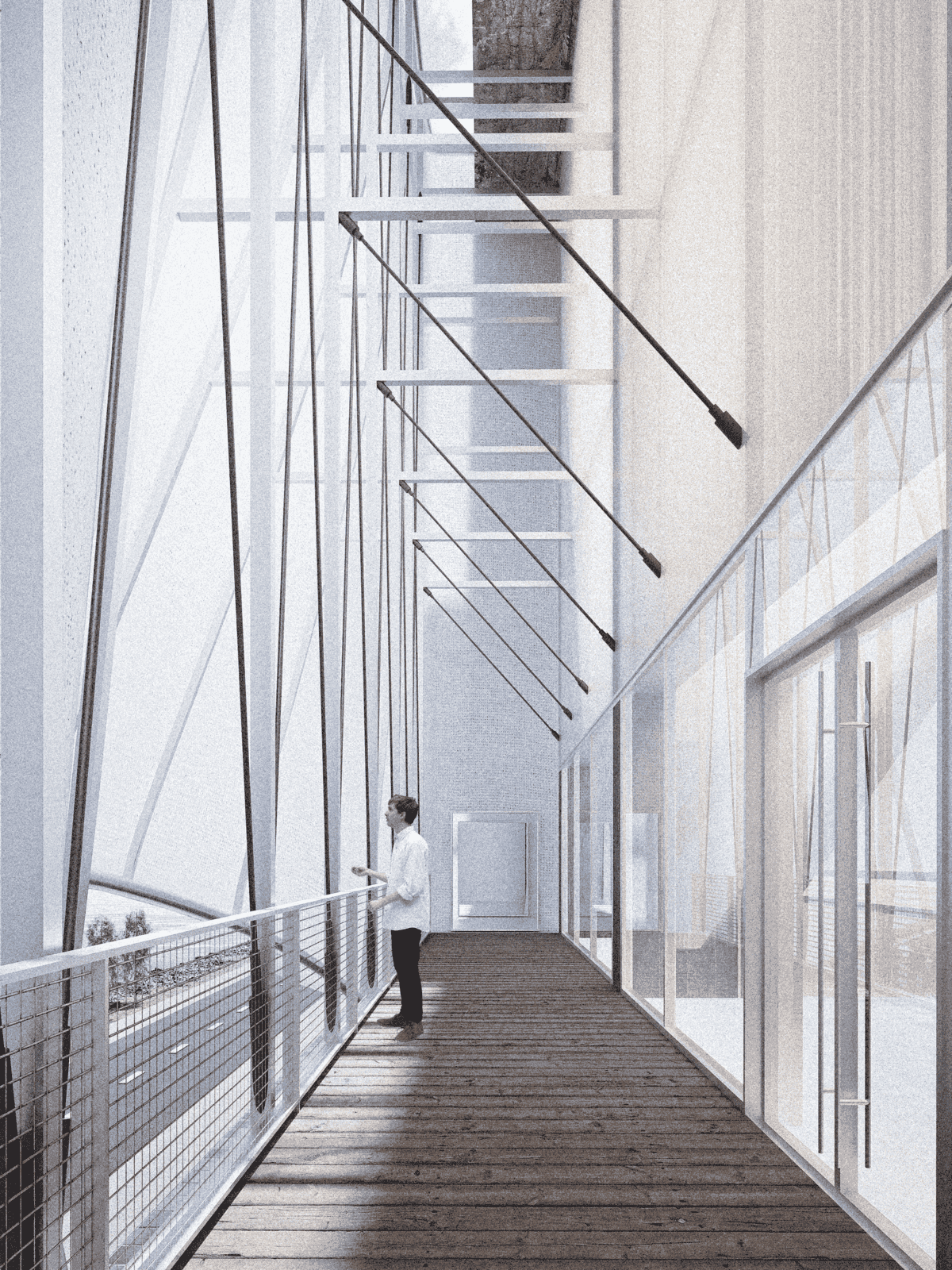
Corridor of Reflection
A fragile veil of light bridges concrete and sea, where each step echoes between the weight of history and the breath of renewal.